
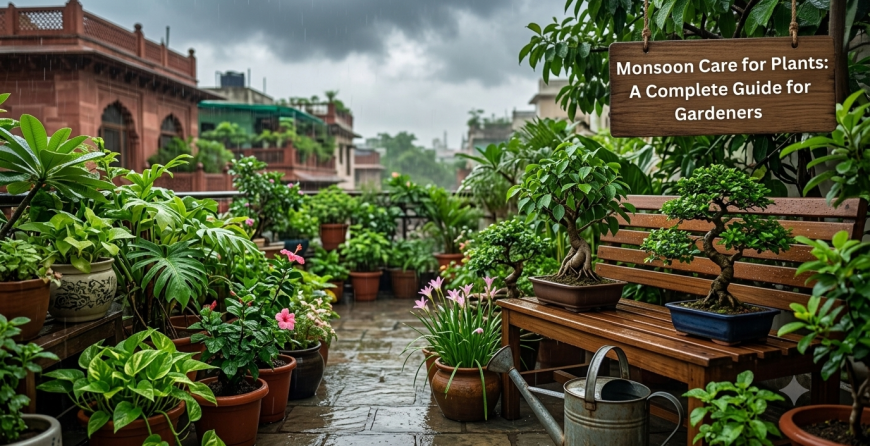
A couple of monsoons ago, I snapped off a random ficus branch from somewhere on a whim and stuck it in a pot of soil, half expecting nothing to come of it. I forgot about it entirely, buried under daily chores, until about two weeks later when I noticed it had quietly taken root, with fresh new leaves unfurling as if it had been growing there all along. That same season, though, I lost a small potted palm to the very thing that had helped the cutting thrive: too much water. It sat in a pot that never quite drained, and by the time I noticed, the roots had already rotted. Two plants, two completely different monsoon stories, and both taught me the same lesson: the monsoon season is a mixed blessing for gardeners. On one hand, the rains bring relief from the scorching summer heat and offer a natural, free source of water that plants love. On the other hand, excess moisture, humidity, and waterlogging can quickly turn your thriving garden into a breeding ground for fungal diseases, root rot, and pest infestations. With a little planning and the right techniques, however, you can help your plants not just survive but flourish during this season. Here’s a comprehensive guide to keep your garden healthy through the monsoon.
- Improve Drainage Before the Rains Arrive
The single biggest threat to plants during monsoon is waterlogging. Roots that sit in stagnant water for too long are starved of oxygen and become vulnerable to rot. Before the rains set in, inspect your garden beds and pots for proper drainage.
- Ensure every pot has adequate drainage holes at the bottom.
- Raise pots slightly off the ground using bricks or pot feet so excess water can escape freely.
- In garden beds, create slight slopes or raised beds so water doesn’t pool around the base of plants.
- Add a layer of gravel or broken pot shards at the bottom of containers to prevent soil compaction and improve water flow.
- Choose the Right Potting Mix
Regular garden soil tends to compact when wet, restricting airflow to the roots. During monsoon, switch to a well-draining potting mix that includes ingredients like coco peat, perlite, sand, and organic compost. This combination retains just enough moisture for the plant while allowing excess water to drain away quickly.
- Reduce or Adjust Watering Schedules
It’s easy to forget that rain is doing the watering for you. Overwatering during monsoon is one of the most common mistakes gardeners make. Before watering manually, always check the soil moisture by inserting a finger about an inch into the soil. If it feels damp, hold off. Container plants under a covered area (like a balcony overhang) may still need occasional watering since they don’t receive direct rainfall, so check these individually rather than following a blanket schedule.
- Watch Out for Fungal Diseases
High humidity combined with wet foliage creates the perfect environment for fungal and bacterial diseases such as powdery mildew, leaf spot, and root rot. To minimize the risk:
- Avoid overhead watering; water at the base of the plant instead.
- Space out plants to improve air circulation and allow leaves to dry faster.
- Prune dense or overcrowded foliage to reduce humidity build-up within the plant canopy.
- Remove and dispose of any yellowing, spotted, or decaying leaves promptly, as they can spread infection to healthy parts.
- If you notice signs of fungal infection, treat with a mild, plant-safe fungicide or a homemade neem oil spray.
- Keep Pests at Bay
Slugs, snails, and various insects thrive in the moist conditions of monsoon. They can quickly damage leaves, stems, and young shoots.
- Handpick slugs and snails during early morning or evening when they’re most active.
- Use organic deterrents such as crushed eggshells or neem cake around the base of plants.
- Regularly inspect the undersides of leaves for pest eggs or clusters, especially aphids and mealybugs, which can multiply rapidly in humid weather.
- Mulch Wisely
Mulching helps regulate soil temperature and moisture, but during monsoon it needs a slightly different approach. Use a thin layer of organic mulch, such as dried leaves or straw, rather than a thick one, since a heavy layer can trap excess moisture against the stem and encourage rot. Keep mulch a few centimeters away from the base of the stem to avoid collar rot.
- Stake and Support Tall or Fragile Plants
Heavy rains, wind, and waterlogged soil can weaken plant stability, especially for tall or top-heavy plants like sunflowers, and young saplings. Stake vulnerable plants ahead of time to prevent them from toppling over or breaking during storms. Check stakes and ties periodically as strong winds are common this season.
- Fertilize Thoughtfully
Monsoon is a season of active growth for many plants, making it a good time to fertilize, but do so carefully. Excess rain can wash away nutrients quickly, so opt for slow-release organic fertilizers like compost or well-rotted manure rather than fast-dissolving chemical fertilizers, which may leach out before plants can absorb them. Avoid fertilizing right before a heavy downpour is expected.
- Protect Potted and Sensitive Plants
Not all plants enjoy heavy, continuous rainfall. Succulents, cacti, and certain Mediterranean herbs like rosemary and lavender are particularly prone to root rot in monsoon conditions. Consider moving these to a sheltered spot, such as under a roof overhang or indoors near a bright window, until the heaviest rains pass.
- Weed Regularly
Weeds grow aggressively during monsoon, competing with your plants for nutrients, light, and space. Make it a habit to weed your garden beds every week. Removing weeds early, while their roots are still shallow, makes the task much easier and prevents them from establishing a foothold.
- Monitor for Waterlogging After Heavy Rain
After a particularly heavy spell of rain, walk through your garden and check for any pooling water. If you spot standing water that isn’t draining within a few hours, aerate the soil gently with a small fork or trowel to help it absorb and drain better. Persistent waterlogging is a sign that drainage improvements may be needed for that particular spot.
- Take Advantage of the Season for Planting
Despite the challenges, monsoon is actually an excellent time to plant trees, shrubs, and perennials, since the consistent moisture helps new roots establish quickly. If you’re looking to add new plants to your garden, this is a great window to do so, just be sure to choose varieties suited to wetter conditions and plant them in well-draining spots.
Final Thoughts
With thoughtful preparation, the monsoon season can be one of the most rewarding times for your garden. The key is to strike a balance: let the rains nourish your plants while actively managing the risks of excess moisture, disease, and pests. A little extra attention now will reward you with a lush, resilient garden through the rest of the year.
Happy gardening, and stay dry!