
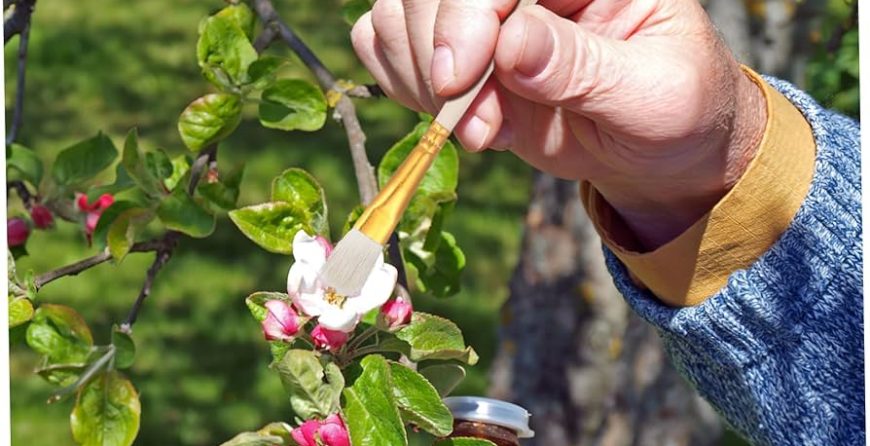
The Magic of Manual Pollination: Helping Nature Along
One of the greatest joys of growing vegetables, fruits at home is watching tiny flowers transform into fresh, healthy produce. But sometimes, nature needs a helping hand.
The above video demonstrates manual pollination—a simple technique that transfers pollen from the male flower to the female flower by hand. This is especially useful when natural pollinators such as bees and butterflies are scarce, during rainy weather, or when plants are grown in terraces, balconies, or greenhouses.
The process :
-
- Identify the male flower, which grows on a slender stalk.
- Locate the female flower, easily recognized by the tiny fruit-like swelling at its base.
- Gently collect pollen from the male flower and transfer it to the stigma of the female flower. This can be done using the male flower itself or with a soft paintbrush.
When pollination is successful, the tiny fruit begins to grow within a few days, rewarding you with a healthy harvest.
Manual pollination is particularly beneficial for crops such as gourds, cucumbers, pumpkins, melons, ridge gourds, bottle gourds and other members of the cucurbit family. Fruits like apples and pears give a high produce when manually pollinated.
Small interventions like manual pollination not only improve fruit set but also deepen our appreciation of the fascinating relationship between plants and their pollinators.
A little effort today can lead to a plentiful harvest tomorrow!