
Starting a Terrace Garden: Things to Keep in Mind
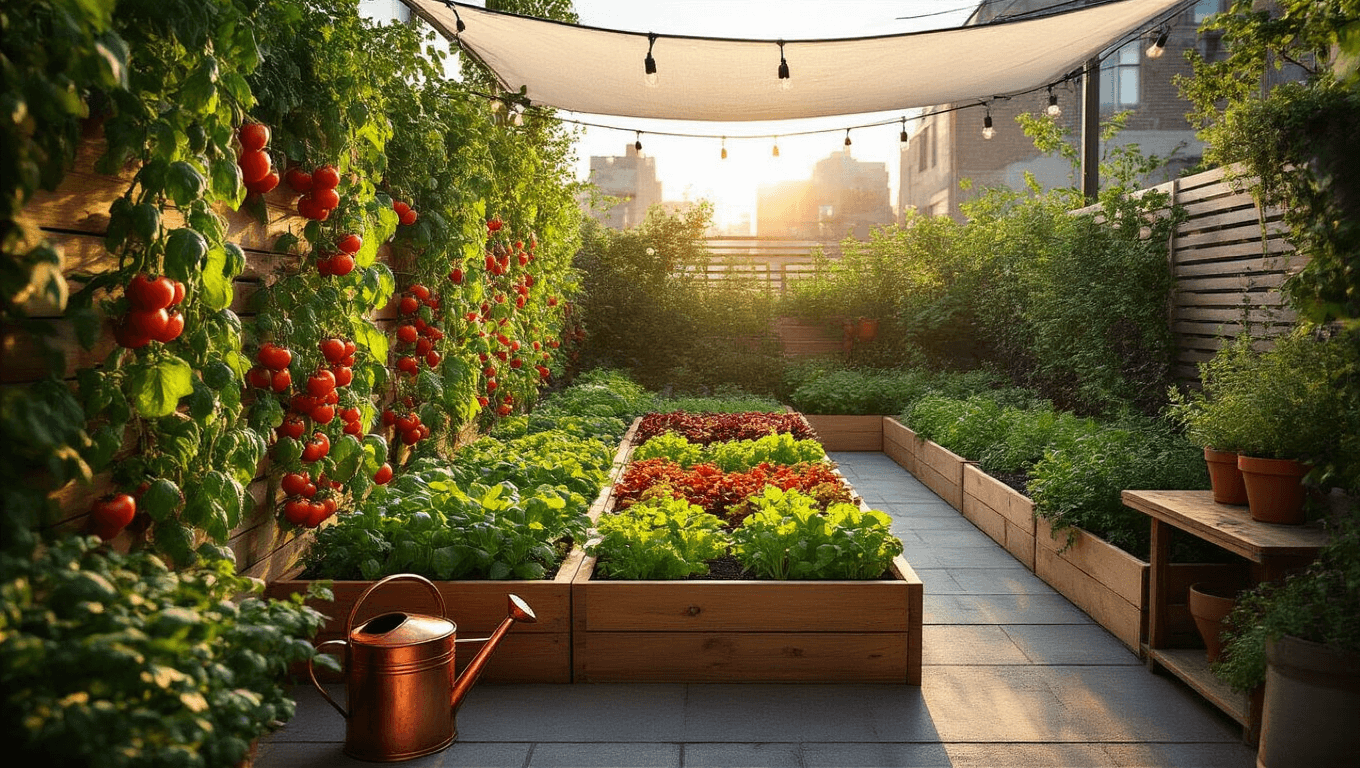
Urban spaces are shrinking rapidly, and we often have to make the most of whatever space is available to us—whether it is a small garden, a balcony, or a terrace. Many urban families are transforming unused rooftops and terraces into lush, productive gardens that are both beautiful and useful. A terrace garden can provide fresh, homegrown produce while bringing us closer to nature and supporting our mental well-being.
Here are a few important considerations for creating and maintaining a beautiful, productive terrace garden.
Strength of the Roof
- Before starting a terrace garden, it is important to have an architect assess whether the roof is strong enough to bear the additional load. The terrace must be able to support the combined weight of wet soil, pots, and plants. As a general safe estimate, standard RCC terraces in India can handle 150–300 kg/m².
- Distributing the weight evenly is more important than simply limiting the number of plants.
- Heavier pots should be positioned near structural corners or load-bearing columns of the building.
- Ants emerging through tiny cracks or openings can gradually weaken the terrace. If you notice ant activity on the roof, stay alert and use a suitable ant repellent to keep them away.
Making the Roof Leakproof
- Water leakage is usually caused by poor drainage rather than by the plants themselves. Ensure that water flows freely towards drainage outlets and never allow it to collect or pool on the terrace. Blocked drains and standing water can lead to seepage and structural damage over time.
- Chip flooring or marble flooring is often recommended to help prevent water leakage and strengthen the roof surface. Conventional waterproofing may be more budget-friendly, but it may not last beyond six to seven years.
- Check the terrace for leaks or cracks, and apply a fresh coat of waterproof sealant if required.
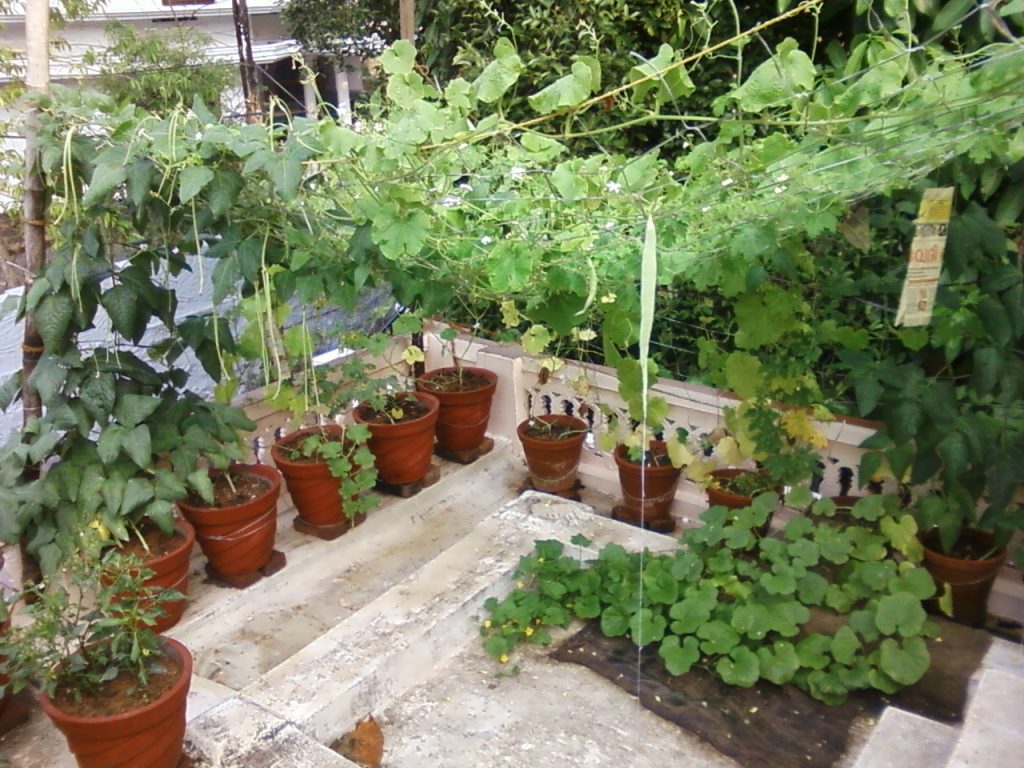
- Never place pots directly on the terrace floor. Use waterproof trays, brick pieces, or elevated stands under pots and grow bags to protect the slab and allow excess water to drain freely without trapping moisture.
Choosing the Right Containers
- Use lightweight plastic pots, fabric grow bags, recycled containers, or fibreglass containers instead of heavy cement or stone containers to reduce the load on the terrace.
- Use 8- to 12-inch pots for small herbs and leafy greens, and larger tubs or containers for bigger shrubs and vines.
Using a Light Soil Mixture
- Regular garden soil can be too heavy for terrace gardening. A loose, well-draining potting mix allows roots to breathe, reduces waterlogging, and makes plants easier to maintain in Indian weather conditions.
- Mix equal parts of garden soil, coco peat (or vermiculite), and organic compost. This keeps the mixture light and airy, improves drainage, and provides both nutrition and moisture retention.
Placement of the Plants
- Even a small terrace can be used effectively for gardening. Make use of vertical space, corners, and railings to accommodate plants without overcrowding the floor.
- Most terrace plants need 4–6 hours of direct sunlight each day. Observe how sunlight moves across your terrace before deciding where to place plants, as the intensity of the sun varies by season and direction. Group plants with similar sunlight and watering requirements together in suitable areas.
- Observe where sunlight falls throughout the day. Place sun-loving vegetables in brighter areas and shade-tolerant plants away from the harsh afternoon sun.
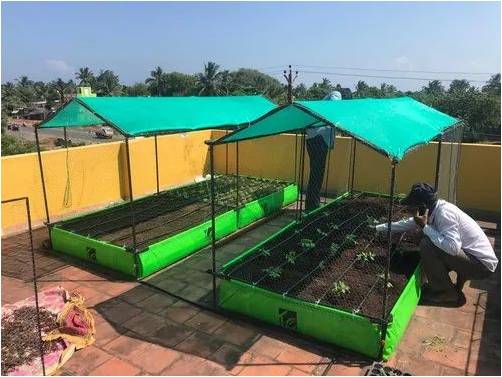
- During peak summer, even sun-loving plants can be damaged by excessive heat. A green shade net can filter harsh sunlight while still allowing the plants to receive adequate light.
- For protection from strong winds, install a small trellis, screen, or windbreak, especially if gusts are strong enough to topple taller pots.
By keeping these precautions in mind, you can create and maintain a beautiful, productive terrace garden filled with lush greenery and homegrown organic produce.